
How to make friends later in life
As you grow older, life brings changes such as retirement, children leaving home, and friends moving away. This guide explains how to reconnect with old friends and meet new people in your 50s, 60s, and beyond.
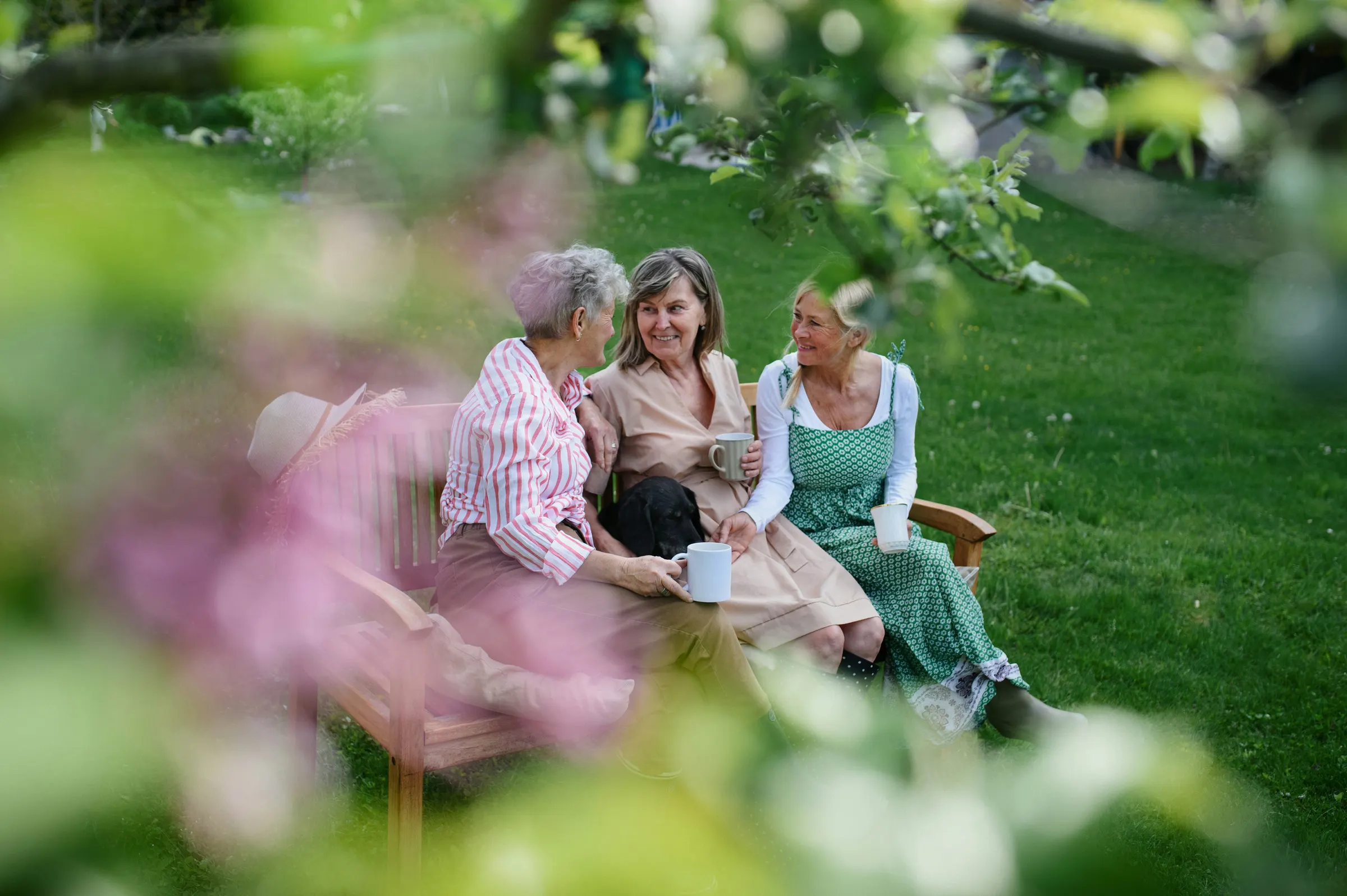
Some of the best friendships start later in life. You know who you are, you know what you enjoy, and you have a lot to share.
Still, the changes that come with age can make it harder to meet new people. If your week feels quieter than it used to be, this guide is for you.
Why friendships change as you grow older
For many years, work and family gave you regular contact with other people. When your children leave home or you retire, much of that contact ends.
Friends may move closer to their families, and some friends become less active because of their health. Some people also lose a partner or close friends.
These changes can leave a gap in your week, and many people feel the same way. The World Health Organization estimates that about one in four older people experience social isolation.1 It is a common experience, and it does not mean that something is wrong with you.
It is never too late to make new friends
Many people make close friends later in life. You know yourself well, you know what you enjoy, and you may have more free time than before.
The basic steps are the same at any age: see the same people regularly, ask about their lives, and suggest plans yourself.
Join a group that meets every week
Regular activities give you a fixed time and place to see the same people. After a few weeks, familiar faces become people you look forward to seeing.
- Join a walking group, which is easy to start at any level of fitness.
- Join a book club for reading and discussion.
- Sing in a choir or play in a local music group.
- Try a painting or art class.
- Play a game that you enjoy, such as golf, chess, or board games.
You can find more activity ideas on the activities page.

Learn something new
A class puts you in a room with people who share an interest, and everyone is learning together. Community centres, libraries, and local colleges offer classes for adults of all ages.
Choose something that you always wanted to try, such as a new language, cooking, or local history. Talk to the people next to you, and suggest a coffee after the class.
Give your time to a cause
Volunteering gives you a routine, a sense of purpose, and a team of people who care about the same cause. Research supports this too. In a large study of adults over 50, people who volunteered for about two hours a week were healthier over the next four years, and they reported more optimism and a stronger sense of purpose.2
Many charities, community groups, and local events need volunteers. Choose a role where you work alongside other volunteers, so that you can get to know the people you work with.
Reconnect with people you already know
Old friendships are often easier to restart than you expect, because most people are glad to hear from someone they know. Research shows that people appreciate an unexpected message much more than the sender expects, especially from someone they have not heard from in a while.3 Here are some ways to get back in touch.
- Send a message to a former colleague or an old school friend.
- Call a friend who moved away, and plan a visit.
- Use social media to find people you have lost touch with.
- Go to reunions and community events where you might see familiar faces.
Get to know your neighbours
Your neighbours are close by, so it is easy to see them often. Say hello, introduce yourself, and stop to talk when you see them.
Invite a neighbour for a cup of tea or a walk. Join a residents' group or a local community event if there is one near you.
Find meetups near you
Mingle Meetup IRL is a free app for meeting new people through shared activities and hobbies. It helps you find meetups and clubs near you for the things that you enjoy.
You can chat with the group before you go, and you can create your own meetup for free. Read our safety guidance before you meet someone for the first time.
When loneliness feels heavy
Everyone feels lonely at times, especially after a big change such as retirement or the loss of a partner. Talking about it can help.
Stay in touch with family and friends, and tell them how you feel. Talk to your doctor if loneliness affects your sleep, your mood, or your health. Many areas also have local services that help older people meet others.
A final word
It is never too late to make friends. One conversation, one class, or one walk can be the start of a new friendship.
For more ideas, read our guide to making friends as an adult. If you have a question or a story to share, you can contact us.
Sources
- World Health Organization, “Reducing social isolation and loneliness among older people”
- Eric S. Kim, Ashley V. Whillans, Matthew T. Lee, Ying Chen, and Tyler J. VanderWeele, “Volunteering and subsequent health and well-being in older adults”, American Journal of Preventive Medicine
- Peggy J. Liu, SoYon Rim, Lauren Min, and Kate E. Min, “The surprise of reaching out: Appreciated more than we think”, Journal of Personality and Social Psychology
Read next

How to make friends as an adult
Why making friends gets harder as an adult, and practical steps that work at any age.
Read the guide
How to make friends in a new city
Practical steps to meet new people and build a social life after you move to a new city or country.
Read the guide
How to make friends in your 20s
How to keep your friends and make new friends after school, university, and your first move.
Read the guide